Traffic-Bearing Steel Deck Coating for Decks That Carry Real Load
A steel deck under vehicles, forklifts, and equipment is not a surface you paint — it is a structure that flexes, and the coating has to flex with it while taking wheel abrasion and staying skid resistant when wet. OR-80SLM Silver Lining Membrane, OR7K polyurea, and Flak Jacket 1 build that membrane, with 7001 Primer tying it into every joint, curb, and penetration.
Get a Traffic-Bearing SpecWhat Changes When the Deck Is Carrying Load
Wheels Do Not Just Wear — They Twist
A vehicle turning on a deck applies torsional shear to the coating through the contact patch, not simple abrasion. That is the load that tears films loose at their weakest point. A polyurea at 400–500 pli tear strength and 500+ PSI adhesion resists it; a hard, thin film does not.
Skid Resistance Has to Be Permanent
A traffic-bearing deck is wet at exactly the moments it matters. Aggregate broadcast into the wet membrane becomes part of the film rather than a texture applied on top of it — so it cannot peel, cannot wear off in a strip, and cannot create an edge for water to travel under.
The Deck Moves Under Every Load Cycle
Live load deflection, thermal cycling, and vibration act on a steel deck thousands of times a year. At 300–400% elongation the membrane treats that as movement to follow. A rigid coating treats it as fatigue, and records it as a crack at the point of maximum strain.
Joints and Details Are Where Systems Fail
Not the field. Expansion joints, drains, curb transitions, column bases, and bollard penetrations are where water finds its way in and where a membrane terminates badly. 7001 Primer carries the system across dissimilar substrates so the waterproofing plane stays continuous through every one of them.
Decks Under Service Load
Decks that carry vehicles, equipment, or repeated point loads — where the membrane is also the wearing surface.
- Parking structure decks & ramps
- Elevated drive lanes
- Loading platforms & dock decks
- Marine and pier decking
- Barge, dredge & vessel decks
- Industrial equipment platforms
- Crane runway and rail decks
- Helipads & rooftop vehicle decks
- Bridge and gangway decking
- Wash bays & maintenance decks
Building a Traffic-Bearing Steel Deck System
Product selection is driven by load class and exposure, not by square footage.
Traffic Is a Shear Load, Not a Scuff
Most coating literature talks about traffic as abrasion, which makes it sound like sandpaper. On a steel deck under vehicles, that is the least of it.
A tire in contact with a deck transmits three things. Vertical load, which is the easy one. Braking and acceleration force along the direction of travel. And — the one that actually destroys coatings — torsional shear when a wheel turns, especially a steered wheel turning while nearly stationary. That twist concentrates enormous in-plane force into a contact patch a few inches across, and it goes looking for the weakest bond line in the system.
Now add the deck itself. Steel decking deflects under live load and returns, thousands of cycles a year, and it expands and contracts through every thermal swing. A coating chosen for hardness alone experiences that as fatigue.
Which is why traffic-bearing membranes are specified on elastomeric properties rather than hardness. 300–400% elongation to follow the deck. 400–500 pli tear strength to resist a turning wheel. Over 500 PSI pull-off adhesion to blasted steel so the shear has nothing to peel. And 100% solids, so the 100 mils you spray are the 100 mils that carry the load.
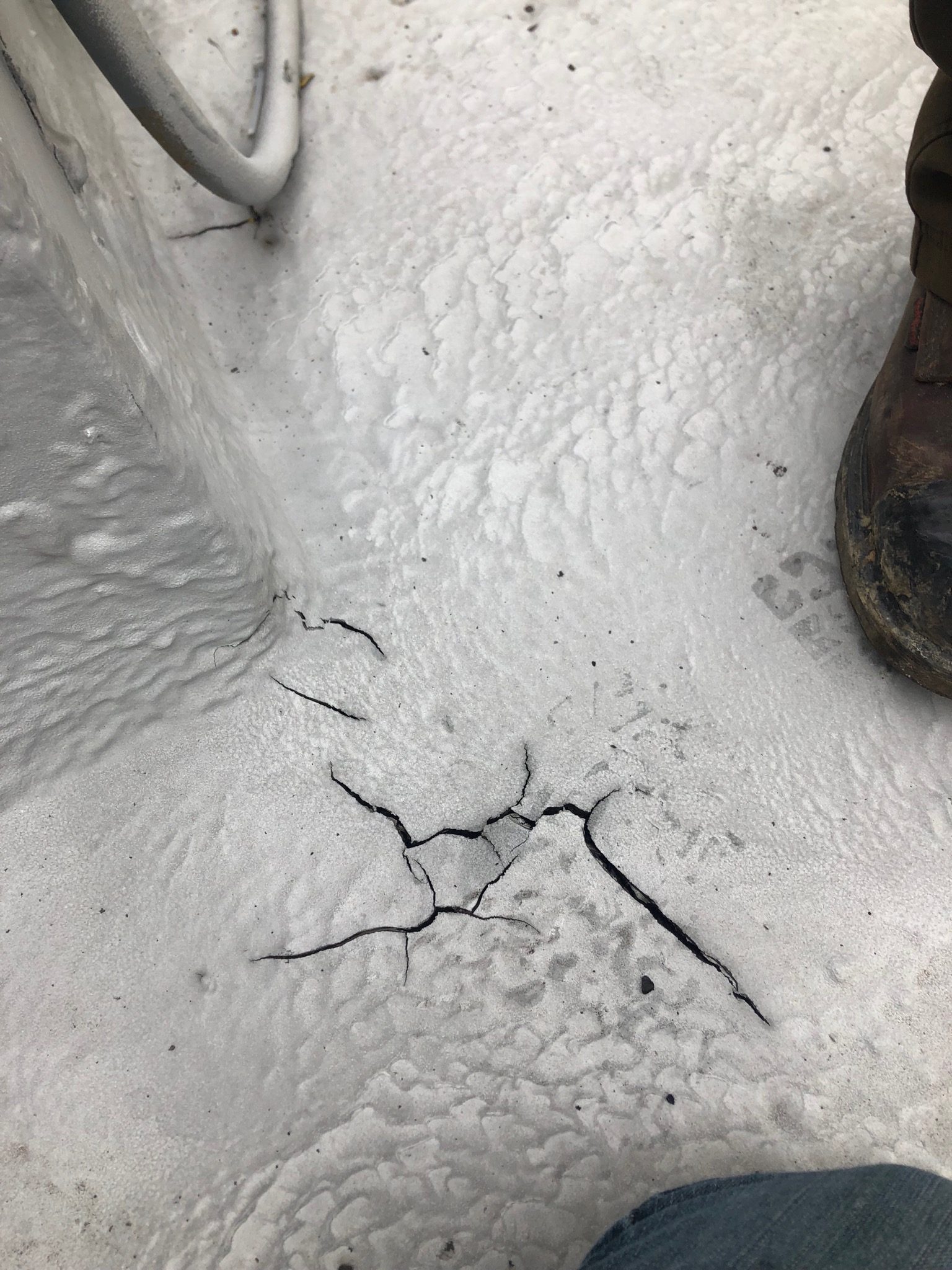
Traffic-Bearing Membrane Properties
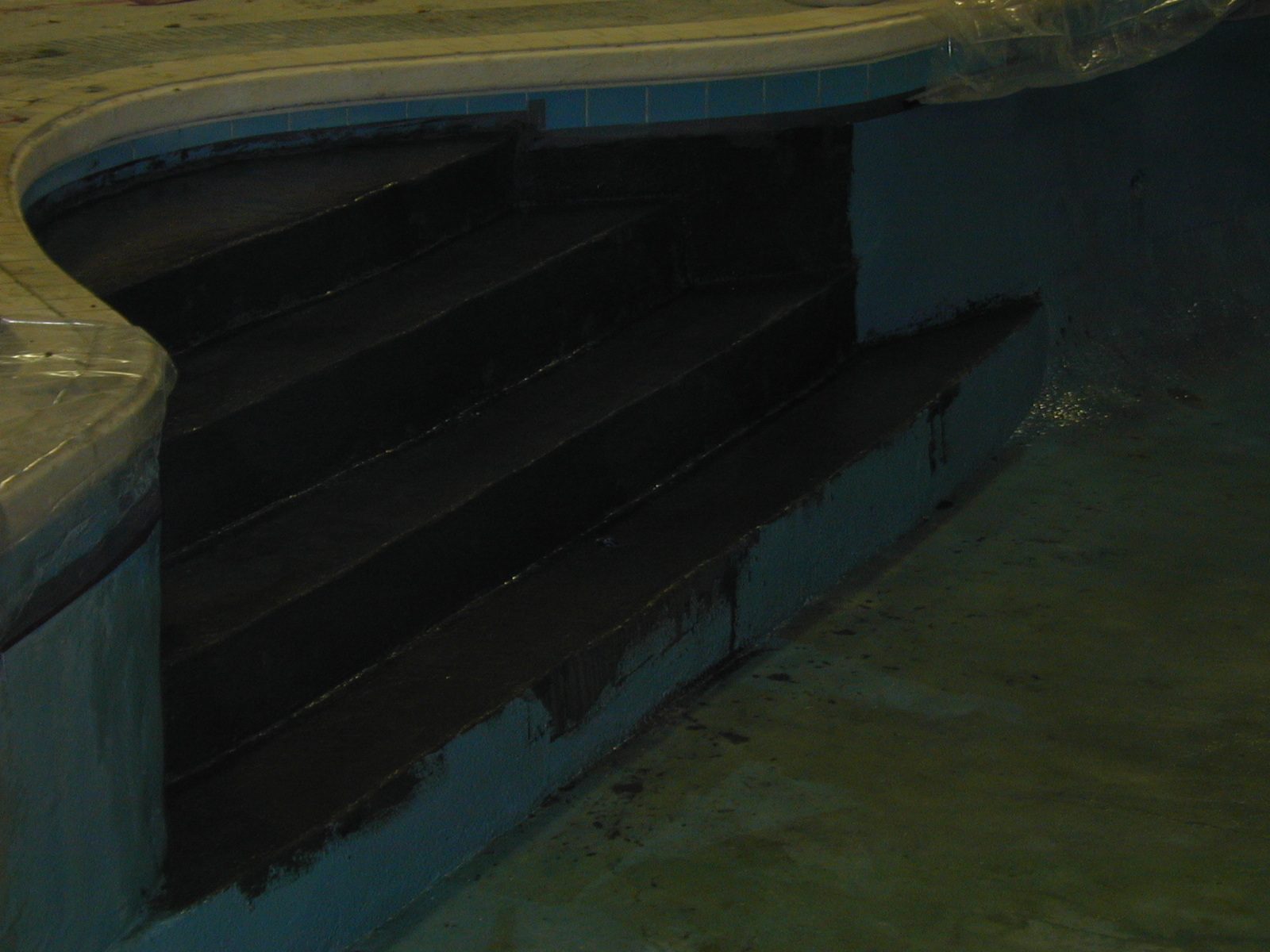
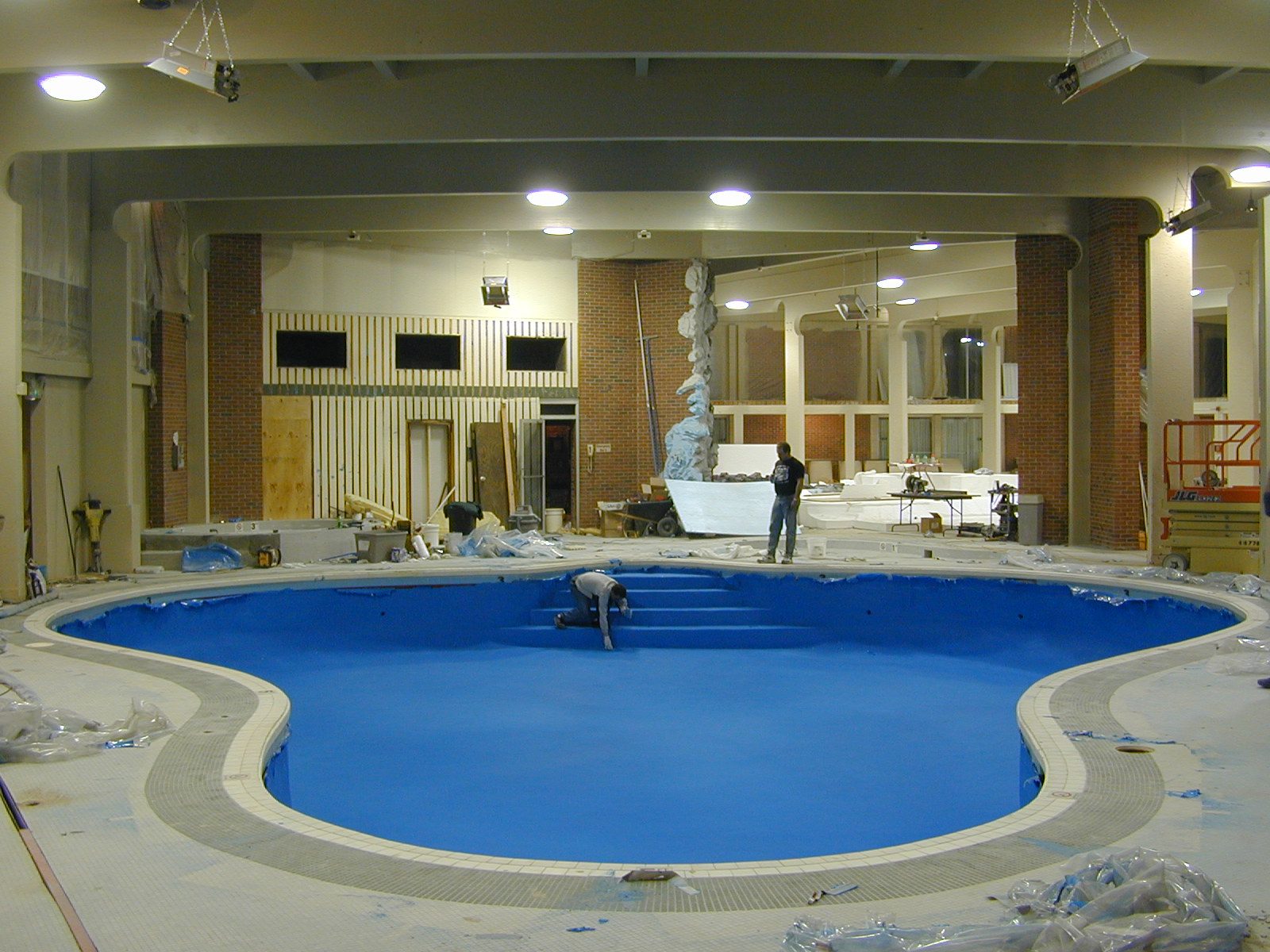
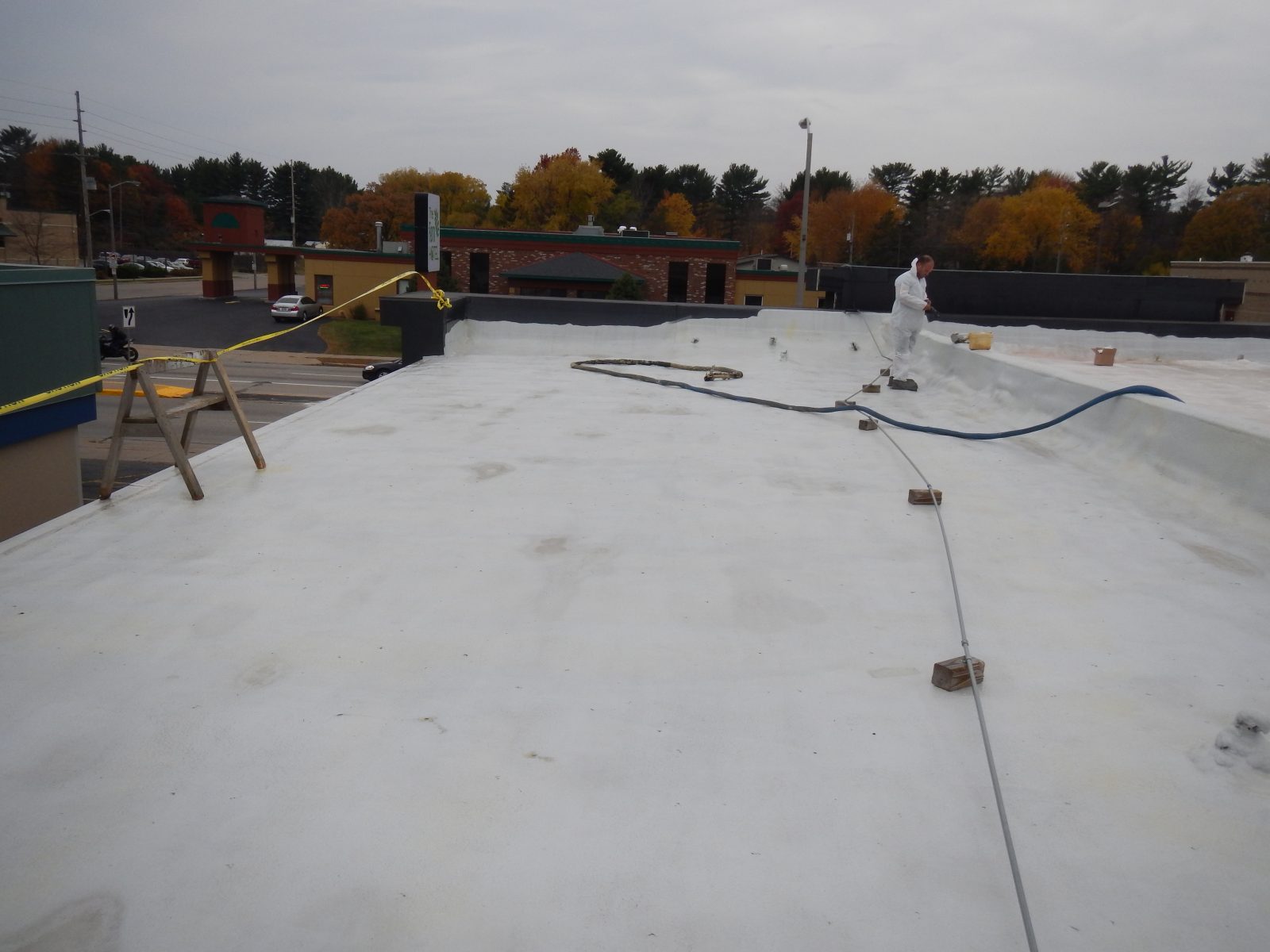
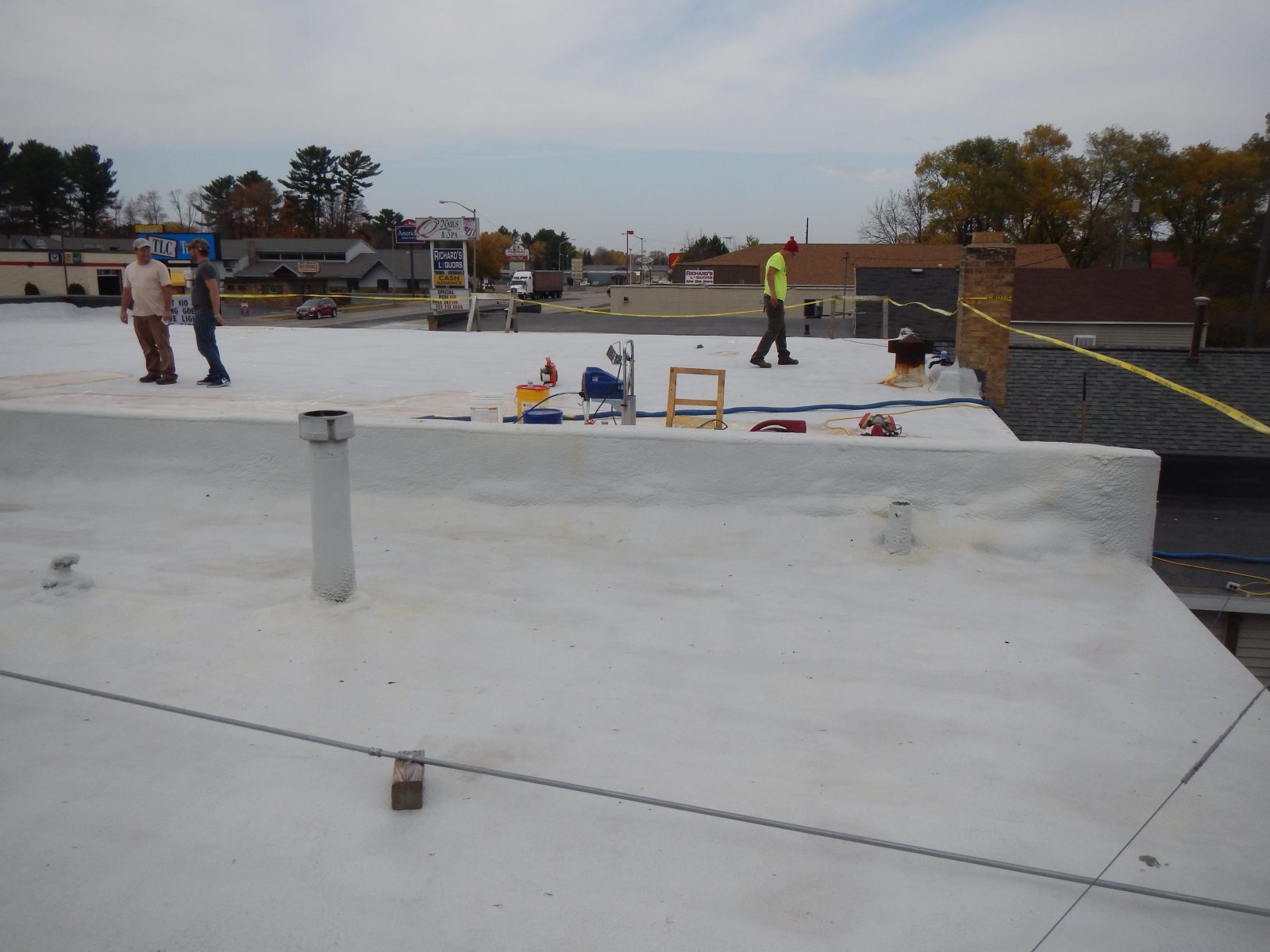
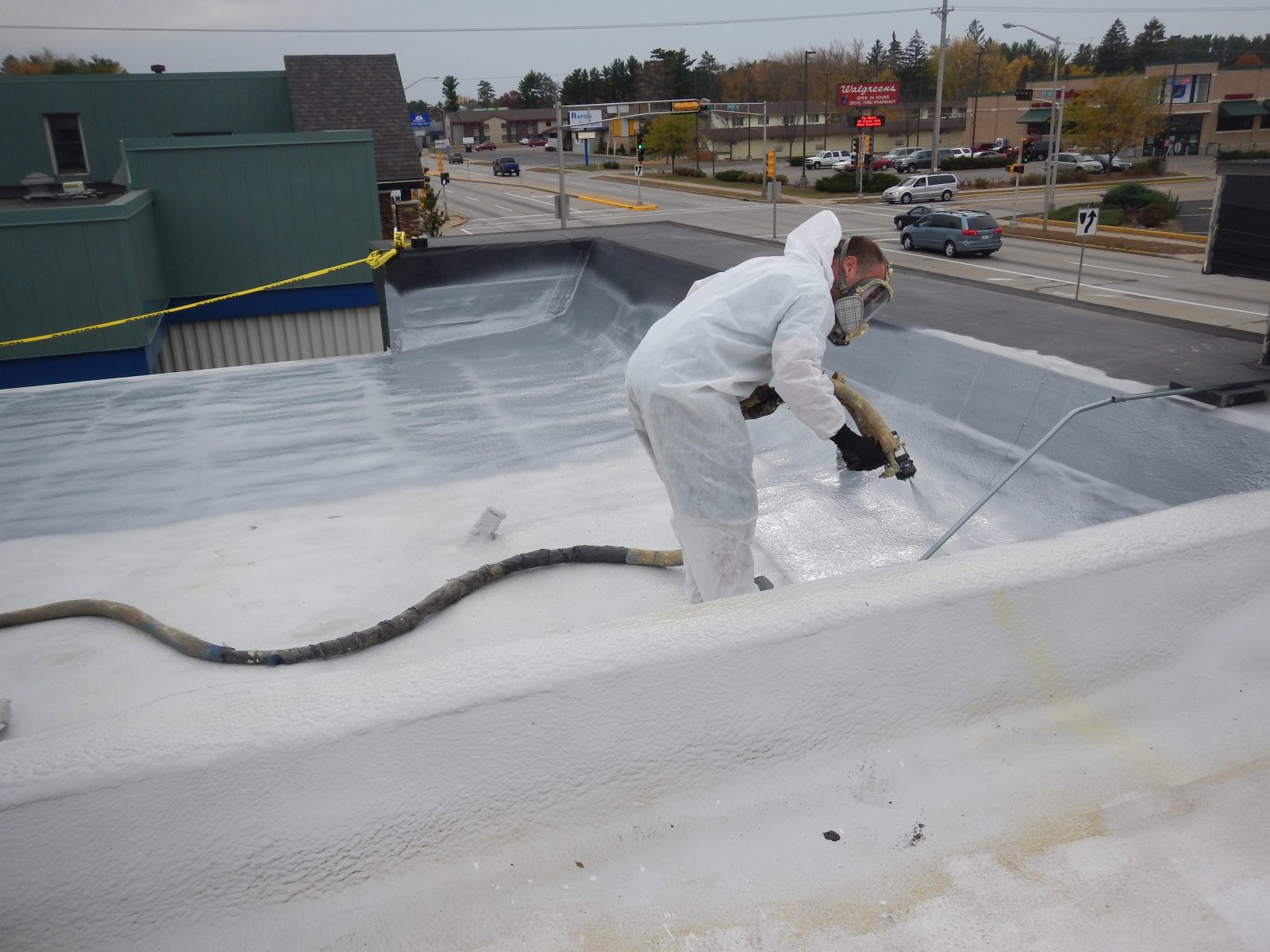
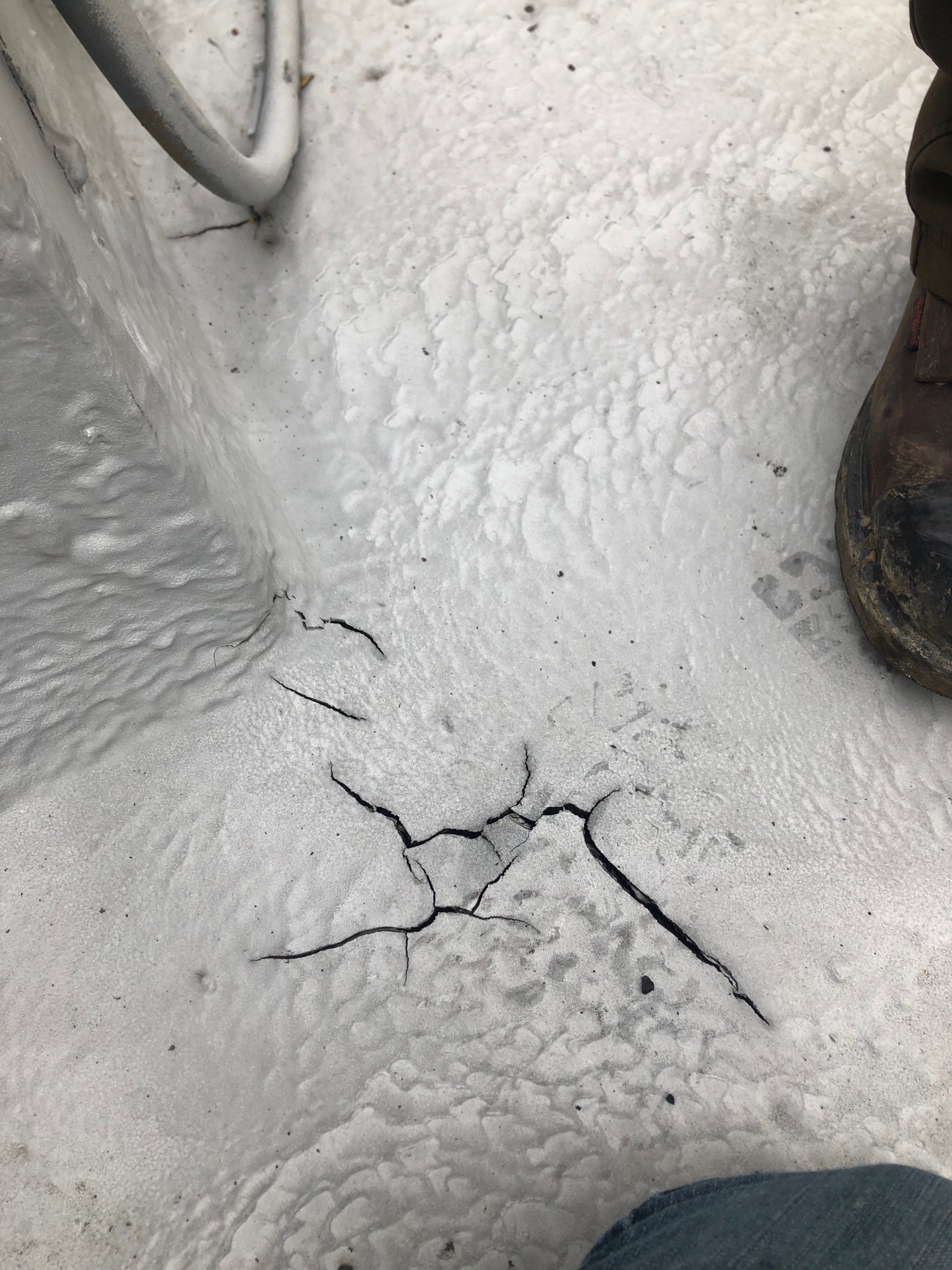
Deck Membrane Installations
Start With the Load Class
Tell us what crosses the deck and how often, how much of it turns in place, whether the surface is exposed, and what the joints and drains look like. You will get a load-class spec, a DFT target, an aggregate grade, and coverage math. Applicators and distributors: mention your region for wholesale terms.
Request a Deck SpecGet a Traffic-Bearing Spec
Tell us about your project and we will follow up with product details, technical data sheets, and pricing.
Frequently Asked Questions
Frequently Asked Questions
What specifiers, owners, and applicators ask about traffic-bearing deck systems.
Load, Traffic & Thickness
How do I know what load class my deck falls into?
Start with the heaviest thing that crosses it and how much of the traffic turns in place. Pedestrian-only decks run 40–60 mil. Light vehicle traffic runs 80–100 mil. Heavy equipment, forklifts, and any area where steered wheels turn while nearly stationary run 100–120 mil. Ramps and turning bays get the top of the range even when the flat deck does not, because slope plus steering shear is the worst combination on a deck.
Why does turning traffic matter more than straight-line traffic?
A wheel turning while nearly stationary applies torsional shear through the contact patch — an in-plane twisting force rather than a rolling one. That force goes straight into whatever bond line is weakest in the system. It is why parking deck failures cluster at ramp turns and stall entries rather than in the middle of a drive lane, and why tear strength and adhesion matter more than surface hardness on a trafficked deck.
Will the membrane crack as the deck deflects under load?
No. At 300–400% elongation with 400–500 pli tear strength, the membrane follows live-load deflection, thermal movement, and vibration rather than resisting them. That is the reason a traffic-bearing deck system is specified on elastomeric properties instead of hardness — a hard film on a flexing steel deck is a fatigue crack waiting for enough cycles.
Is the membrane thick enough to be a wearing surface on its own?
Yes, and that is the design intent. At 100% solids the material sprays 20–120 mil in a single pass with no shrinkage, so the wearing course and the waterproofing plane are the same continuous film with a graded build. There is no separate topping, no inter-coat bond between two different systems, and no seam between them to fail.
Traction, Joints & Details
How is skid resistance achieved, and does it wear off?
Aggregate is broadcast into the wet membrane and locked in place by a second pass, so it is embedded in the film rather than sitting on top of it. It wears with the membrane instead of separating from it, and it cannot peel or lift an edge the way applied non-slip tape or a broadcast-on-cured-film approach can. Grade is selected by traffic class — the coarsest goes on wash bays, ramps, and marine decks.
What do you do at expansion joints?
The membrane is terminated into the joint detail rather than sprayed blindly across it, and the movement capability of the assembly is confirmed against the design movement range beforehand. The deck is designed to move at that line, and a membrane bridged across an expansion joint without a proper detail is simply a coating that will be torn open by the movement it was placed over.
How are drains and penetrations handled?
The membrane is carried into and through the drain body so the waterproofing plane terminates below the water line. A membrane stopping at a drain flange puts a seam at the lowest point on the deck, which is exactly where water stands and where it will find its way through. Column bases, bollards, and rail posts are primed with 7001 and coved, and typically get additional local build because they also take vehicle impact.
Does the deck need to drain, or will the membrane handle ponding?
Polyurea tolerates standing water indefinitely — but you should still fix the ponding. Standing water on a traffic-bearing deck is a freeze-thaw hazard, an icing hazard, and often a sign of a deflection or slope problem worth investigating. Correct the slope or add drainage; do not use the membrane as an answer to a drainage defect.
Installation, Service & Cost
How long is a deck out of service after coating?
Tack-free in 10–30 seconds and typically open to traffic within the hour. On a parking structure or an operating dock that is the whole reason the system gets chosen — the work can be phased bay by bay or level by level overnight and the area handed back before the next business day, rather than fencing off a level for a week.
What prep does the steel need, and can I overcoat existing rust?
SSPC-SP6 commercial blast to a 2–4 mil angular profile on bare or heavily corroded steel — that produces the 500+ PSI adhesion the load case requires. Sound, tightly-adhered rust can be overcoated after SSPC-SP3 power-tool cleaning with a reduced-warranty note. On marine and de-icing decks, add soluble chloride verification below 7 µg/cm². Loose scale always comes off.
What happens when a section gets damaged?
Repairs integrate rather than patch over. Inside the six-hour recoat window a fresh pass grabs the cured membrane chemically and needs nothing else done to it; past that window, abrade the damaged area and prime it with 7001 first. Either way the repair becomes part of the same monolithic film, so it adds no new seam — a meaningful advantage on a deck where impact damage is routine rather than exceptional.
How does the cost compare to a conventional deck coating system?
Higher material cost per square foot, and lower installed cost on detail-heavy decks once labor is counted honestly. Multi-coat traffic-bearing systems require multiple mobilizations, cure windows between coats, and separate detail work at every joint and drain. This is one mobilization, one material, same-day return to service. Over the service life the comparison is not close — the failure mode a conventional system has at year five is the one this system is specifically engineered against.
Have a Deck-Specific Question?
Send it with the deck details. Someone who has specified and sprayed traffic-bearing decks will answer.
Ask a Question